Heart Corner Frame Decorative Element: A Modern Design Staple
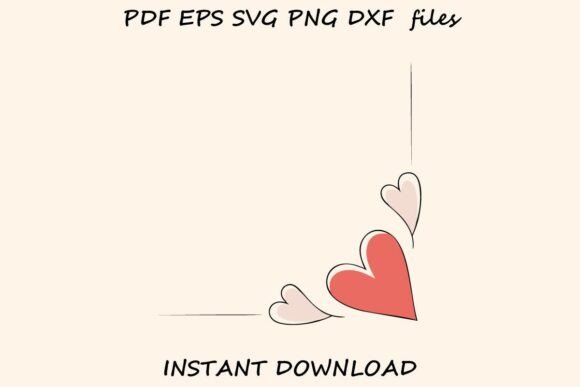
When a design calls for a touch of romance or a soft, elegant accent, the solution doesn't always need to be complex. A well-crafted decorative element can frame a message, draw the eye, and establish a mood with minimal effort. The Heart Corner Frame Decorative Element is a perfect example of this principle in action. It’s not a font, but a versatile design asset that brings a clean, contemporary feel to a wide range of projects. Its soft, rounded heart shapes integrated into a clean corner outline offer a modern take on a classic symbol, making it suitable for both personal crafts and professional branding.
Understanding the Visual Character and Appeal
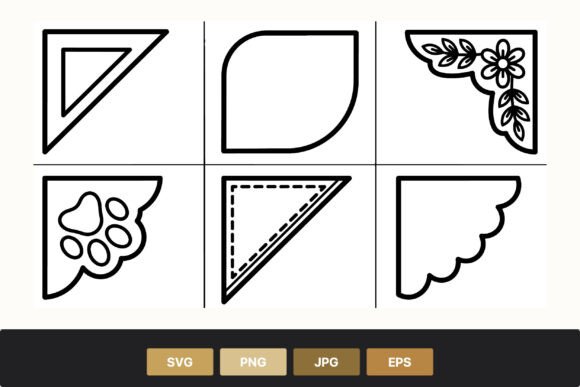
At its core, this decorative element is defined by its simplicity and balance. The design features a heart motif seamlessly woven into the corner of a frame, creating an instant focal point. The lines are clean and uncluttered, avoiding the overly ornate or saccharine look that can sometimes accompany heart-themed graphics. This gives it a versatile personality—it’s romantic without being childish, elegant without being stuffy. The "soft shapes" refer to the gentle curves of the hearts and the smooth, flowing lines of the frame, which contribute to a friendly and approachable aesthetic.
This style aligns perfectly with modern typography and design trends that favor minimalism and intentionality. It acts as a complementary piece to many typefaces, whether you're pairing it with a sturdy sans serif font for a clean tech startup vibe or a graceful script font for a wedding stationery suite. Its clean outline ensures it doesn't compete with other elements but rather enhances them, providing structure and a thematic hint. The overall appeal lies in its ability to communicate love, care, and attention to detail in a subtle, professional manner.
Practical Applications Across Creative Fields
The true value of the Heart Corner Frame Decorative Element is realized in its application. For designers and entrepreneurs, it’s a tool for adding a consistent, recognizable touch to brand materials. Imagine it framing the logo on a thank-you card for an online boutique, or accenting the corners of a social media graphic for a jewelry brand. It instantly elevates the design, contributing to a cohesive brand identity that feels polished and thoughtful.
For the publishing and marketing world, this element shines in editorial design and packaging design. It can be used to highlight a special feature in a magazine layout, frame a quote in a blog post graphic, or add a charming detail to product packaging for artisanal goods like chocolates, candles, or handmade soaps. In the realm of web design, it can serve as a subtle background pattern, a corner accent on a website header, or a decorative border for online course materials, adding visual interest without causing distraction.
The crafting and personal project applications are equally rich. For those creating wedding stationery, invitations, or printable art, this element provides a ready-made solution for adding a romantic frame. Scrapbookers and journal makers will find it ideal for highlighting photos or memories. Because it includes versatile file formats—PDF, SVG, EPS, PNG, and DXF—it transitions smoothly from digital design to physical creation. The SVG and DXF files are particularly useful for crafters using cutting machines like Cricut or Silhouette, allowing for precise cuts in vinyl, paper, or cardstock.
Integrating the Element into Your Design Workflow
Choosing the right design assets is about more than just aesthetics; it's about function and fit. When evaluating if this corner frame is right for your project, consider the overall tone. It excels in contexts that benefit from a touch of warmth, celebration, or intimacy. For a corporate finance report, it might be out of place. For a bakery's menu, a couple's anniversary card, or a lifestyle blogger's media kit, it’s a natural fit.
Practical testing is key. Before finalizing, place the element into your layout alongside your chosen typography and color palette. Does it harmonize with your font pairing? If you're using a bold display font for headers and a clean serif font for body text, the frame should complement, not clash. Its neutral outline style generally works well, but always check the visual weight and spacing. Ensure the decorative hearts don't create unintentional tangents with other lines in your design.
From a technical standpoint, the included file formats offer great flexibility. The PNG file is perfect for quick use in digital projects or layering in design software. The vector files (SVG, EPS) are essential for any project that requires scaling without loss of quality, such as large-format printing or creating custom die-cut shapes. For crafters, the DXF file is the go-to for direct import into cutting machine software. Understanding these formats allows you to use the Heart Corner Frame Decorative Element efficiently, whether you're designing a one-off invitation or a series of printable art for an Etsy shop.
Ultimately, this decorative element is a small but powerful tool in a creator's toolkit. It demonstrates how a focused, well-executed graphic can save time, enhance professionalism, and inject a specific emotional tone into a project. By focusing on its clean lines and versatile application, you can move beyond generic clip art and create designs that feel both personal and polished, strengthening your visual communication across every medium.