Styling Spaces with Decorative Plants Flowers Inside House
The Visual Language of Organic Design
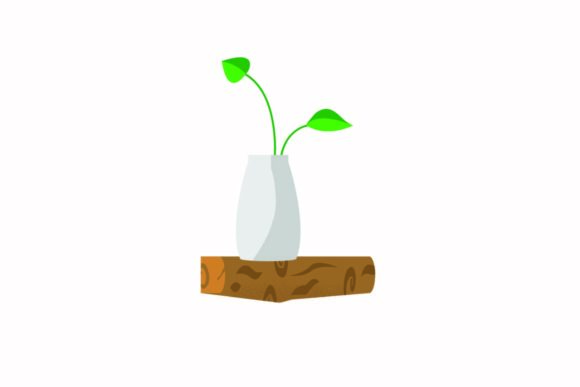
When we talk about bringing nature indoors, we are often referring to the literal act of placing a fern on a shelf or a bouquet on a table. However, the digital design asset known as Decorative Plants Flowers Inside House captures the essence of botanical life without the maintenance. This design resource is a sophisticated blend of organic shapes and clean vector lines, intended to serve as a versatile design asset for a wide range of creative projects. It is not merely a static image but a comprehensive toolkit provided in AI, EPS, SVG, DXF, JPG, and PNG formats, ensuring compatibility with everything from professional vector software to simple crafting machines.
The visual personality of this collection leans heavily into the "modern botanical" aesthetic. You will find a balance between realism and stylization, making it perfect for brand identity projects that need to feel grounded yet contemporary. The 1920 x 1280 px canvas size is specifically optimized for digital landscapes—think website hero images, presentation backgrounds, and social media headers. Unlike a standard script font or a rigid sans serif font, these illustrations offer a soft, approachable texture. They communicate growth, freshness, and tranquility, which are high-value traits in web design and editorial design. Whether you are a blogger looking to create a calming atmosphere or a marketer designing a wellness campaign, the visual style of these assets provides a ready-made foundation that feels curated and intentional.
Strategic Applications for Modern Creators
Understanding where to deploy Decorative Plants Flowers Inside House is key to maximizing its value. For graphic designers and brand identity specialists, these assets are invaluable for creating mood boards and client presentations. Imagine pitching a concept for a boutique hotel or a yoga studio; overlaying these botanical elements onto your layout instantly communicates the "vibe" without relying on stock photography that every competitor might already be using. The vector formats (AI, EPS, SVG) allow you to scale these elements infinitely, making them just as effective on a business card as they are on a billboard.
For packaging design, the applications are particularly exciting. The intricate floral details can be used as border elements for product labels or as background textures for gift wrap. Because the files include DXF formats, crafters and hobbyists can utilize these designs for vinyl cutting, creating custom decals for laptops, water bottles, or signage. This bridges the gap between digital design assets and physical products. Furthermore, content creators and social media managers can use the PNG files to layer over photos in Instagram Stories or Pinterest pins, adding a cohesive, organic touch to their feed that encourages engagement. The versatility of the file formats ensures that whether you are working in Adobe Illustrator or Canva, the integration is seamless.
Enhancing Visual Hierarchy and User Experience
While typography—such as a bold display font or a clean serif font—handles the heavy lifting of communication, visual assets like Decorative Plants Flowers Inside House handle the emotional resonance. In web design, these elements are crucial for breaking up large blocks of text. A well-placed floral vector in the margin or a subtle leaf pattern in the header can guide the user's eye down the page, improving readability and reducing bounce rates. It creates a visual rhythm that complements the modern typography you have chosen.
Consider the psychology of the user. A landing page for a financial advisor might use sharp lines and a premium font to convey stability, but adding a touch of greenery can soften the tone, making the brand appear more human and less corporate. This is the power of "soft branding." The illustrations act as a visual palate cleanser. For packaging design, the presence of these botanical elements can influence purchasing decisions; consumers often associate floral motifs with natural ingredients, artisanal quality, and care. By integrating these designs, you are not just decorating; you are actively shaping the audience's perception of the product's quality and values.
Technical Integration and Workflow Efficiency
One of the standout features of this asset is the ease of use. As a creative professional, your time is your most valuable resource. Decorative Plants Flowers Inside House is designed to fit into your existing workflow without friction. If you are building a brand kit, you can easily import the SVG files into your vector editor to customize the color palette. Perhaps your client has a specific "sage green" in their brand identity—you can recolor the leaves in seconds to match. This adaptability is something static stock images cannot offer.
For those involved in editorial design, such as magazine layouts or e-book covers, the high-resolution JPGs provide immediate impact. You can use them as full-bleed backgrounds for chapter openers. When pairing these visuals with text, remember to maintain contrast. If you are overlaying a handwritten font or a modern typography style, ensure the floral elements are slightly muted or pushed to the background so the legibility of your message remains the priority. The 1920 x 1280 px size is also perfect for video production—use them as lower thirds or overlays in YouTube videos to create a cohesive channel aesthetic. This resource is essentially a multi-tool for the visual storyteller, offering flexibility across print and digital mediums.
Choosing and Evaluating the Right Fit
When deciding to incorporate Decorative Plants Flowers Inside House into your library, it helps to evaluate the specific "mood" of your current project. Does your project call for a rustic, organic feel, or is it more of a sleek, urban jungle aesthetic? This collection tends to bridge those gaps, offering enough detail to feel lush but clean enough lines to feel vector-sharp. It pairs exceptionally well with a geometric sans serif font for contrast, or a classic serif font for a traditional, elegant look.
Before finalizing your design, take advantage of the various file types to test different applications. Try the DXF on a small craft project first or mock up the SVG on a website wireframe. Look at how the textures interact with your typography. Does the floral element distract from your logo design, or does it frame it? The goal is to create a harmonious visual ecosystem where the imagery supports the text. Ultimately, this digital product is about providing you with high-quality, editable raw materials. It empowers you to build unique, personalized designs that stand out in a crowded marketplace, whether you are a small business owner creating your own marketing materials or a designer fulfilling a complex client brief.