Timeless Geometry: The Art Deco Ornament Revival
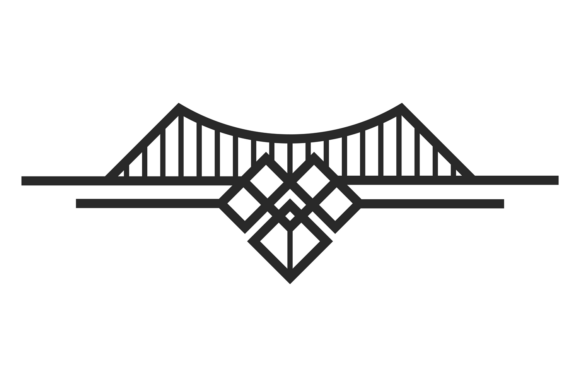
There is a distinct magnetism to the Art Deco aesthetic. It evokes the glamour of the Roaring Twenties, the precision of the machine age, and a sense of luxury that feels both nostalgic and incredibly modern. If you have been scrolling through design feeds lately, you have likely noticed this resurgence. The Decorative Geometric Ornament. Art Deco collection captures this vibe perfectly, offering a blend of sharp lines and symmetrical beauty that can instantly elevate a creative project. It isn't just a set of shapes; it is a design language that speaks of sophistication and structure.
Understanding this style is about more than just liking the look of it. It is about recognizing how specific geometric forms—chevrons, fans, sunbursts, and stepped pyramids—create a visual rhythm. When you incorporate these elements into your work, you are tapping into a century-old design movement that remains highly relevant in contemporary modern typography and branding. Whether you are designing a logo, curating a mood board, or laying out a magazine spread, these ornaments provide a solid foundation for visual storytelling.
Visual Characteristics and Appeal
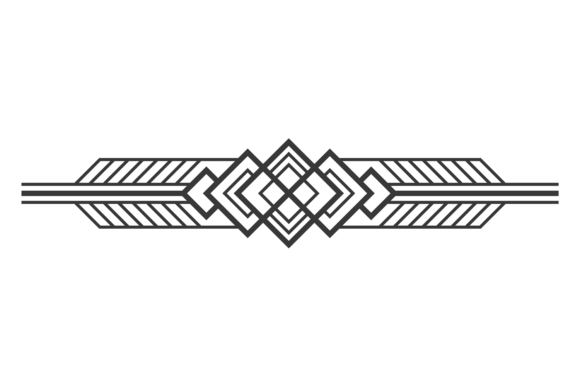
At its core, the Art Deco style is defined by symmetry and order. Unlike the flowing, organic curves of its predecessor, Art Nouveau, this movement embraces straight lines and sharp angles. The Decorative Geometric Ornament. Art Deco assets typically feature repetitive patterns and bold, high-contrast shapes. You will often see the use of golds, blacks, and creams, though the versatility of these designs allows them to adapt to any color palette.
The personality of these ornaments is bold yet refined. They do not whisper; they command attention. This makes them an excellent choice for projects that need to establish authority or luxury. For instance, in packaging design, a geometric border can suggest that the product inside is premium and carefully crafted. In editorial design, these patterns can break up text-heavy pages, providing the reader’s eye with a moment of visual rest while maintaining the publication's sophisticated tone.
However, the appeal lies in the details. The "ornament" aspect suggests decoration, but in Art Deco, decoration is functional. It frames content. It guides the eye. It creates a hierarchy. When you look at a decorative geometric ornament, you are seeing math applied to art. This balance is why it works so well for professional applications—it feels intentional and precise, not chaotic.
Strategic Applications for Modern Creators
How do you actually use these assets in a crowded digital landscape? The answer is versatility. While the style is rooted in the past, its application is thoroughly modern. For brand identity, these geometric elements are gold. A tech startup might use a stylized sunburst to signal innovation and energy, while a boutique hotel might use a stepped border to evoke classic luxury.
Consider the realm of web design and social media graphics. Attention spans are short. A distinct visual language helps users recognize your content instantly. By using Art Deco borders or icons, you create a consistent "wrapper" for your content. This consistency builds trust. When a follower sees that distinct chevron pattern on Instagram, they know it is your brand before they even read the caption.
Furthermore, these ornaments are not limited to digital use. For crafters and hobbyists, the availability of transparent PNG and SVG files opens up a world of physical production. Imagine using these vectors for:
- Laser cutting: Creating intricate wood or acrylic signage for weddings or events.
- Sublimation printing: Designing custom textiles, pillows, or apparel with a vintage flair.
- Paper crafting: Making high-end greeting cards, invitations, or scrapbook elements.
The key is to match the ornament's weight to your medium. A heavy, bold border works well for signage, while a finer, more intricate line pattern might be better suited for watermarks on photography or background textures on websites.
Pairing with Typography
An ornament rarely exists in a vacuum. It usually accompanies text. Therefore, understanding font pairing is crucial when working with Decorative Geometric Ornament. Art Deco. Because the style is geometric and often vertical, it pairs exceptionally well with typefaces that share those characteristics.
Look for a sans serif font with a tall x-height and uniform stroke width. Fonts like Futura, Century Gothic, or modern geometric sans-serifs are natural partners. They mimic the structural lines of the ornaments without competing for attention. If you want to lean into the vintage vibe, a stylized serif font with high contrast—think Didot or Bodoni—can create a look reminiscent of vintage Vogue magazine covers.
Avoid pairing these sharp geometric ornaments with overly casual script fonts or handwritten fonts. The clash between the rigid geometry and the loose, organic flow of handwriting can feel disjointed unless you are going for a very specific, eclectic contrast. For most professional applications, sticking to modern typography that emphasizes clean lines will yield the best results.
Practical Guide to Selection and Licensing
When sourcing these design assets, quality matters. You want vectors that are clean, mathematically precise, and scalable. This is where the file format comes into play. A premium font or ornament set should offer multiple formats to ensure flexibility.
- EPS and SVG: These are vector formats. They are essential for logo design and large-format printing. You can scale them to the size of a billboard without losing quality.
- Transparent PNG: These are raster images with no background. They are perfect for drag-and-drop usage in tools like Canva, Photoshop, or PowerPoint for quick social media posts.
- JPG: Usually provided for preview or specific background textures, though less flexible than the others.
Before you download, evaluate the project fit. Ask yourself if the ornament is too complex for your use case. If you are using it as a subtle background texture, a highly intricate pattern might become visual noise. Conversely, if it is the main feature of a logo, it needs to be distinct and recognizable at small sizes.
Finally, do not overlook licensing. If you are a small business owner or a freelance designer, you must ensure the license covers your specific usage. Most standard licenses cover web and print, but if you are selling merchandise (like t-shirts or mugs) featuring the design, you often need an extended commercial license. Always read the fine print to protect your business and your clients.
Timeless Versatility
The resurgence of Art Deco is not a fleeting trend; it is a return to principles of design that value clarity and beauty. By integrating Decorative Geometric Ornament. Art Deco into your toolkit, you are equipping yourself with assets that bridge the gap between the past and the future. Whether you are crafting a brand from scratch or refreshing an existing layout, these geometric elements offer a reliable path to creating work that feels polished, professional, and undeniably stylish. Experiment with the symmetry, play with the negative space, and let the geometry do the talking.